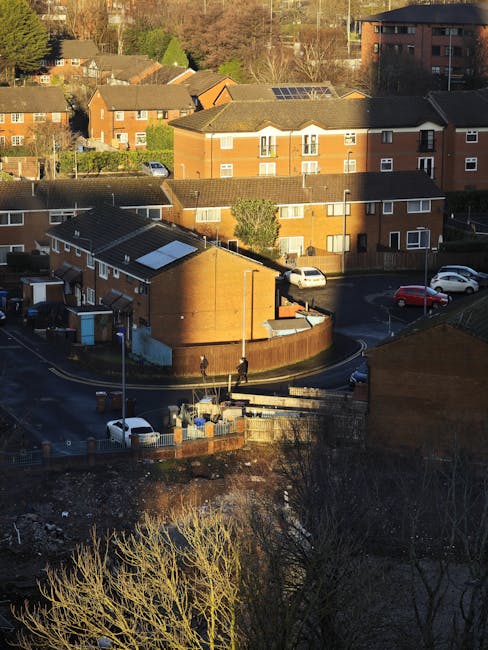
Carpet cleaning for Hanworth Park Estate residents: a practical local guide to cleaner, healthier floors
If you live on Hanworth Park Estate, you already know how quickly carpets pick up the day-to-day realities of family life, muddy shoes, pet hair, school runs, takeaway crumbs, and the odd spill that somehow appears when you were only gone for five minutes. Carpet cleaning for Hanworth Park Estate residents is not just about making a room look tidy; it is about keeping your home fresher, more comfortable, and easier to live in. In a busy household, that can make a bigger difference than people expect.
This guide walks through what professional carpet care actually involves, when it makes sense, which methods suit different carpets, and how to avoid the common mistakes that leave fibres damp, flattened, or still holding on to smells. If you want a clearer idea of what to expect before booking, or you are simply trying to decide whether a deep clean is worth it, you are in the right place.
Why Carpet cleaning for Hanworth Park Estate residents Matters
Carpets act like a soft filter. They catch dust, pollen, grit, pet dander, and the tiny particles that drift in on shoes and clothing. That is true in almost any home, but on an estate where people are coming and going, kids are playing indoors, and entrances see regular traffic, carpets can show wear faster than you might think.
What tends to happen is simple: the carpet still looks "fine" at a glance, yet it starts to hold odours, feel tired underfoot, and lose its bounce. You notice it most on a bright morning when the sun comes through the window and suddenly every patch stands out. Little bit annoying, honestly.
Regular cleaning matters because it helps preserve both appearance and comfort. It also supports a more hygienic home environment, especially if you have children, guests, or pets. For households near busy roads or with frequent footfall, a deeper clean can make the place feel noticeably fresher. Not brand-new, let's be fair, but much closer.
Expert summary: A good carpet clean should remove visible soil, lift embedded debris, reduce lingering odours, and leave fibres refreshed without overwetting the room. If a clean only improves the look for a day, it probably was not done properly.
For residents comparing options, it also helps to understand the broader service picture. A reputable provider usually offers a range of fabric care options, including professional carpet care, steam carpet cleaning, targeted stain removal, and specialist support for pet stain and odour removal.
How Carpet cleaning for Hanworth Park Estate residents Works
Professional carpet cleaning is usually a step-by-step process rather than a single "spray and hope" job. The exact method depends on the fibre type, the level of soiling, and whether there are issues like staining or pet odour. In practical terms, most cleans follow a familiar pattern.
1. Inspection and fibre check
The cleaner should look at the carpet's construction, backing, visible wear, and problem spots. Wool, synthetic blends, and delicate loop piles can all behave differently. A sensible technician does not treat every carpet as if it were the same. That would be a bit careless.
2. Dry soil removal
Vacuuming or agitation lifts loose debris before moisture is introduced. This matters because wetting dust and grit too early can turn them into sticky residue. You want them gone first, not redistributed for the sake of theatre.
3. Pre-treatment
A suitable solution is applied to loosen soil, break down greasy marks, and prepare any stubborn spots. Heavier traffic lanes, hallways, and living room edges often need more attention than the centre of the room.
4. Deep cleaning method
This is where methods differ. Hot water extraction, often called steam cleaning in everyday speech, uses hot water and extraction to flush dirt from the fibres. Low-moisture methods can be useful where quicker drying is a priority. The right approach depends on the carpet and the situation, not just on what sounds impressive.
5. Spot treatment and finishing touches
Persistent marks may need extra attention, especially where spills have set in. Furniture may be carefully repositioned, fibres groomed, and drying advice given. A good clean should leave the pile looking more even and less crushed.
Service quality matters here too. If you are checking a company's working standards, it is worth reading practical details such as the health and safety approach and the insurance and safety information before anyone starts work in your home.
Key Benefits and Practical Advantages
Most people think first about appearance, and yes, that matters. But the real value of carpet cleaning often shows up in the everyday experience of the home. The floor feels cleaner underfoot. The room smells less stale. The whole place seems to breathe a bit easier.
- Better appearance: traffic marks, dull patches, and old spills are reduced.
- Improved freshness: cleaning helps remove trapped odours from food, pets, and general use.
- Longer carpet life: regular maintenance helps reduce fibre wear caused by embedded grit.
- More comfortable living spaces: a clean carpet can make a room feel warmer and more inviting.
- Support for allergy-conscious households: while no cleaning service can promise a medical outcome, removing dust and debris can help many homes feel less stuffy.
- Better presentation for guests or property viewings: useful if you are hosting, renting, or preparing a room for sale.
There is also a practical financial angle. Well-kept carpets often delay the need for replacement, which can be a significant saving in larger properties or homes with more than one heavily used room. Not every carpet can be rescued forever, of course, but maintenance usually beats emergency replacement. Truth be told, that is usually the sensible route.
If your home includes more than carpets, it may make sense to coordinate with related fabric care such as rug cleaning, sofa cleaning, upholstery cleaning, or even curtain cleaning so the whole room feels balanced, not half-fresh and half-ignored.
Who This Is For and When It Makes Sense
Carpet cleaning is not only for "very dirty" carpets. In fact, one of the biggest mistakes is waiting until the carpet looks obviously bad. By then, the soil may have already worked deeper into the pile.
It makes sense for you if any of these sound familiar:
- you have children who spill food, drinks, or the occasional mysterious sticky thing
- you have pets that shed, track in dirt, or leave odours behind
- your hallway or living room gets heavy foot traffic
- you are moving in, moving out, or preparing a property for guests
- a room smells a bit stale even after vacuuming
- there are visible traffic lanes, dullness, or flattening in the pile
- you have tried shop-bought cleaners and the stain keeps reappearing
There are also times when a professional clean is especially useful: after winter mud season, before hosting family over the holidays, after a pet accident, or when a room is being redecorated and you want the flooring to match the fresh look. That first clean after a long spell can be eye-opening, almost unfair to the carpet in a good way.
For landlords, tenants, and small businesses with shared flooring needs, the same basic logic applies. If a property needs a broader refresh, it may be worth looking at commercial carpet cleaning for common areas or communal spaces, especially where the volume of foot traffic is higher than normal.
Step-by-Step Guidance
If you want to plan a carpet clean properly, a little preparation goes a long way. Here is a practical sequence that works well in real homes.
- Walk the room and identify problem areas. Note stains, odours, flattened sections, and any delicate furniture nearby.
- Vacuum thoroughly. Dry soil should be removed before any wet cleaning begins.
- Test any sensitive spots. If you have a stain, patch, or unusual fibre, check the best method before using anything aggressive.
- Move lightweight furniture if needed. A clean area under a chair is useful, but do not rush and scratch the floor.
- Choose the right method. Steam extraction suits many carpets, while delicate or quick-turnaround situations may need a lower-moisture approach.
- Pre-treat stains and traffic paths. This is where most of the visible improvement happens.
- Clean in controlled sections. Even coverage is better than flooding one area and under-cleaning another.
- Extract moisture properly. A clean that dries evenly is far more pleasant to live with.
- Ventilate the room. Open windows where possible, use airflow, and avoid heavy foot traffic until dry.
- Do a final review. Check for residue, remaining marks, or spots that may need a second pass.
That sequence sounds straightforward, but it is where experience shows. The difference between "cleaned" and "properly cleaned" is often the detail in prep, drying, and spot treatment. A rushed job can look fine for an hour and then show rings again by evening. Bit frustrating, really.
Expert Tips for Better Results
Here is where a few small decisions can make a surprisingly large difference.
Choose the method by fibre, not by trend
Some carpets respond well to hot water extraction; others need a more careful, lower-moisture process. A good cleaner should recommend the approach that suits the carpet, not the one that sounds most dramatic.
Deal with stains quickly, but gently
The faster you blot a spill, the better. Blot, do not scrub. Scrubbing can spread the stain and rough up the fibres, which then catch more dirt later. It is one of those annoyingly common mistakes.
Ventilation helps more than people expect
Even on a chilly London afternoon, moving air matters. Open windows for a short period if the weather allows, and keep doors ajar to help the room dry evenly. Drying time often feels slow, then suddenly all at once it is done.
Watch the edges and corners
Traffic lanes around sofas, skirting boards, and doorways often need more work than the middle of the room. If those spots are ignored, the carpet can still look tired even after a full clean.
Ask about aftercare
A proper aftercare note should tell you when to walk on the carpet, when to replace furniture, and what to do if a mark rises back as the carpet dries. Reputable providers are usually happy to explain. If you want to understand business standards and customer expectations beforehand, the company background and approach can be helpful, and so can the terms and conditions if you like things spelled out clearly.
Common Mistakes to Avoid
Most carpet problems after cleaning come from a handful of avoidable habits. The good news? They are easy to sidestep once you know what to look for.
- Using too much water: overwetting can slow drying and increase the risk of a musty smell.
- Rubbing stains hard: this can push the stain deeper and damage the pile.
- Skipping vacuuming first: it leaves soil to turn into slurry during the clean.
- Using one chemical on everything: not every stain or fibre needs the same treatment.
- Walking on the carpet too soon: this can flatten fibres and transfer dirt back in.
- Ignoring odour sources: if the smell is from underlay or repeated pet accidents, surface cleaning alone will not solve it.
- Choosing price alone: the cheapest job is rarely the best value if it leaves residue or needs repeating.
Another subtle mistake is not asking about drying. If you have a busy home, drying time matters almost as much as cleaning quality. You do not want a room out of action all day if it can be avoided.
Tools, Resources and Recommendations
You do not need a cupboard full of gadgets to keep carpets in good condition, but a few sensible tools make maintenance much easier.
Useful household basics
- a reliable vacuum with decent suction
- clean white cloths or towels for blotting spills
- a gentle carpet-safe spot cleaner for small marks
- fans or good natural airflow for drying
- a soft brush for lifting pile after cleaning if needed
Questions worth asking a cleaner
- Which cleaning method do you recommend for my carpet type?
- How long should drying take in a typical room?
- Do you treat stubborn stains separately?
- Can you handle pet odours or just surface marks?
- What should I do before you arrive?
- Are your payment and booking processes secure?
It is also wise to review practical service pages before booking. For example, pricing and quotes information can help you understand how estimates are handled, while payment and security details can reassure you if you prefer to confirm the practical bits upfront. No one enjoys surprise admin. Not at all.
If you are comparing package options, related services like mattress cleaning or sofa cleaning may be sensible add-ons when several soft furnishings need attention at once.
Law, Compliance, Standards, or Best Practice
For domestic carpet cleaning in the UK, the main concern is usually good practice rather than heavy regulation. That said, responsible providers should still work in a way that is safe, careful, and transparent.
In practical terms, best practice usually means:
- using products appropriately and following label instructions
- protecting floors, furniture, and electrical items from avoidable damage
- being clear about what the service does and does not include
- showing insurance and safety awareness where relevant
- respecting household access, privacy, and property condition
If you are a resident in a managed setting or shared property, it is sensible to think about noise, access, and drying times so you do not inconvenience neighbours. That is just good manners, really, but it helps the job go smoothly.
For trust signals, a company's published policies can matter. You may want to review the privacy policy, the recycling and sustainability statement, and the accessibility statement if those details matter to you. They are not about the carpet itself, but they do say something about how the business operates.
Options, Methods, or Comparison Table
Different carpet cleaning methods suit different situations. There is no single winner every time, which is a relief because real homes are messy and varied. Here is a simple comparison to help you think it through.
| Method | Best for | Strengths | Watch-outs |
|---|---|---|---|
| Hot water extraction | General deep cleaning, heavy soil, many family homes | Strong soil removal, good for refreshing tired carpets | Drying time can be longer if airflow is poor |
| Low-moisture cleaning | Quicker turnaround, lighter soiling, some sensitive settings | Faster drying, less disruption | May need more frequent maintenance |
| Targeted stain treatment | Isolated marks, spills, pet accidents | Focused attention on problem spots | Not a substitute for full cleaning if the carpet is generally dirty |
| Deodorising add-on | Odour-prone rooms and pet areas | Helps reduce lingering smells | Works best alongside proper cleaning, not instead of it |
If you are unsure which route to take, the simplest question is this: do you need a full reset, or do you mainly need one area improved? That answer usually points you in the right direction. And if a stain has turned into a household legend, the dedicated stain removal service may be the more precise option.
Case Study or Real-World Example
Picture a typical ground-floor living room in Hanworth Park Estate. The carpet looks generally fine from the doorway, but the area near the sofa has darkened slightly, the hallway has a faint line where shoes land every day, and there is a stale note in the air that vacuuming never quite clears.
A sensible approach would start with inspection, then dry soil removal, then focused pre-treatment on the traffic lanes and any visible marks. If there is a pet involved, the cleaner would pay attention to the areas near skirting boards and furniture legs, because that is where odours often linger. After extraction and drying, the room should feel lighter, the pile should stand up better, and the smell issue should be reduced rather than masked.
What usually surprises people is not the colour change alone. It is the feeling. The room sounds slightly different when you walk across it. Softer. Less dusty. A small thing, maybe, but it changes how the whole home feels in the evening.
In homes with a mix of fabrics, this kind of work can be paired with curtain cleaning or upholstery cleaning so the refreshed carpet is not sitting next to visibly tired soft furnishings. That balance matters more than people think.
Practical Checklist
Use this checklist before and after a carpet clean. It saves hassle, and honestly it stops a lot of small frustrations before they start.
- Vacuum thoroughly before the appointment.
- Move fragile items and mention awkward furniture in advance.
- Point out stains, odours, and high-traffic areas.
- Ask which method will be used and why.
- Confirm drying guidance before work starts.
- Keep windows or airflow ready where possible.
- Restrict foot traffic until the carpet is dry enough.
- Do not scrub a stain if it returns during drying.
- Ask for aftercare advice if you have pets or young children.
- Review the provider's trust pages if you want extra reassurance, including complaints procedure information and insurance and safety details.
Get a free quote today and see how much you can save.
Conclusion
For Hanworth Park Estate residents, carpet cleaning is one of those home tasks that pays off in several ways at once. It improves the look of a room, helps tackle lingering odours, supports a more comfortable living space, and can extend the life of the carpet itself. That is a decent return for something many people put off far too long.
The main thing is to treat carpet care as maintenance, not rescue work. When you clean before the fibres are heavily worn or the smells have settled in too deeply, results are usually better, drying is easier, and the whole process is far less stressful. Simple as that.
If you are ready to freshen up your home, start with the carpeted rooms that work hardest every day, ask sensible questions, and choose the method that suits your household rather than the loudest promise. A cleaner carpet can make a home feel calmer almost straight away, and that is no small thing.
Sometimes the nicest change in a home is the one you feel before you even notice it.
Frequently Asked Questions
How often should Hanworth Park Estate residents have carpets professionally cleaned?
It depends on foot traffic, pets, and household habits. Many homes benefit from a deep clean every 6 to 12 months, while busy family homes may need it more often. If the carpet starts to look dull or hold odours, that is usually your cue.
Is steam cleaning safe for all carpets?
Not always. Steam or hot water extraction works well for many synthetic carpets and some wool blends, but delicate fibres, glued backings, or moisture-sensitive areas may need a gentler method. A proper inspection should come first.
Will carpet cleaning remove pet smells completely?
It can help a lot, especially if the odour is in the carpet fibres rather than deep in the underlay. For repeated pet accidents, a targeted odour treatment is often needed, and sometimes the underlay needs attention too.
How long do carpets take to dry after cleaning?
Drying time varies with the method used, ventilation, carpet thickness, and room temperature. Some carpets dry within a few hours, while others take longer. Good airflow makes a real difference.
Can carpet cleaning get rid of old stains?
Sometimes, yes, but not always. Older stains may have bonded to the fibres or changed colour over time. A professional can often improve them significantly, though complete removal cannot be promised for every mark.
Should I vacuum before the cleaners arrive?
Yes, if you can. Removing dry soil first helps the cleaner focus on embedded dirt and stains, which usually leads to a better finish.
Is professional carpet cleaning worth it for a rented property?
It often is, especially when you want the property to present well at checkout, after a tenancy, or before new occupants move in. It can also be helpful for maintaining a good standard in shared or managed accommodation.
What is the difference between carpet cleaning and stain removal?
Carpet cleaning deals with the overall condition of the carpet, while stain removal focuses on specific marks. The best outcome usually comes from combining both, because a spotless patch next to a dirty carpet still looks off.
Can I walk on the carpet straight after cleaning?
It is better to wait until the carpet is dry or nearly dry. If you need to cross it, use clean socks or shoe covers if provided. Walking on damp fibres can flatten them and bring in fresh dirt.
Do I need to move all my furniture before cleaning?
Not necessarily. Many cleaners work around larger pieces, but lighter items are often moved to make the clean more effective. It is best to discuss furniture handling before the appointment so there are no awkward surprises.
How do I know if a carpet cleaner is trustworthy?
Look for clear service information, safety awareness, transparent pricing guidance, and sensible policies. Trust pages such as insurance, privacy, terms, and complaints handling are a good sign that the business takes its work seriously.
What should I do if a stain reappears after cleaning?
That can happen if residue or moisture draws soil back to the surface during drying. Blot gently, do not scrub, and ask for advice. Sometimes a second pass or adjusted treatment is needed.